
Have you ever watched a movie where actors interact with massive creatures, futuristic cities, or impossible environments? Most of those visuals are created using Visual Effects (VFX). But behind every stunning scene is a team of skilled artists working frame by frame to make everything look real.
One of the most important roles in the VFX pipeline is the Roto Artist.
If you’re a student interested in creative technology, filmmaking, or animation, understanding the role of a Roto Artist can help you explore career paths through a visual effects course or vfx course. In this blog, we’ll explain what a Roto Artist does, the skills required, career opportunities, and how you can start learning VFX after 12th.
What Is Rotoscoping in VFX?
Rotoscoping (often called “roto”) is a technique used in VFX where artists trace over footage frame by frame to isolate specific objects or characters from a video.
This process helps VFX teams separate elements from the background so they can:

- Add CGI elements
- Replace backgrounds
- Create visual effects
- Perform color corrections
- Integrate live-action with digital assets
The technique dates back to early animation but is still widely used in modern filmmaking and OTT productions.
According to a report by Statista, the global visual effects market is expected to grow significantly due to increased demand for streaming content and high-end CGI in films and series.
(Source: https://www.statista.com/topics/9646/visual-effects-vfx-market/)
What Does a Roto Artist Actually Do?
A Roto Artist works closely with the compositing and VFX teams to isolate elements from live-action footage.Their work may sound simple, but it requires extreme precision, patience, and technical skills.

Key Responsibilities of a Roto Artist
1. Creating Accurate Masks Around Objects
The primary task of a roto artist is to draw masks around objects or characters in every frame.
- An actor needs to be separated from the background
- A prop needs to be replaced with CGI
- A stunt wire needs to be removed
The roto artist carefully outlines the element so the rest of the VFX team can work on it.
2. Frame-by-Frame Animation Tracking
Videos consist of 24–30 frames per second. That means a 10-second shot could contain over 300 frames.
A roto artist must adjust masks for every frame so that the object remains perfectly isolated throughout the shot.
3. Supporting the Compositing Team
Roto artists prepare clean elements so compositors can:
- Add CGI creatures
- Insert digital environments
- Enhance explosions or simulations
- Replace green screen backgrounds
Without clean rotoscoping, the final visual effects would look unrealistic.
4. Removing Unwanted Elements
Roto artists also help remove unwanted items like:
- Wires used during stunts
- Microphones appearing in frame
- Camera rigs or reflections
- Safety equipment used during filming
VFX studios around the world require large roto teams for major film and OTT productions.
India is one of the largest hubs for VFX outsourcing, creating numerous job opportunities for trained professionals.
Where Is Rotoscoping Used?

Rotoscoping is used across multiple industries, not just Hollywood films.
1. Movies and Web Series
Blockbuster movies rely heavily on rotoscoping to integrate live actors with CGI environments.
Many popular films use roto work for scenes involving:
- Action sequences
- Green screen replacements
- Fantasy characters
- Large-scale destruction effects
2. Television and OTT Content
Streaming platforms like Netflix and Amazon Prime have dramatically increased the demand for VFX artists.
According to Grand View Research, the global VFX market is projected to grow significantly due to streaming platforms and gaming industries.
(Source: https://www.grandviewresearch.com/industry-analysis/visual-effects-vfx-market)
3. Advertising and Commercials
Brands often use VFX in advertisements to create eye-catching visuals.
Roto artists help isolate products or actors so visual effects can be added smoothly.
4. Gaming and Animation
Game cinematics and promotional trailers often require rotoscoping to blend live-action footage with digital environments.
Skills Required to Become a Roto Artist
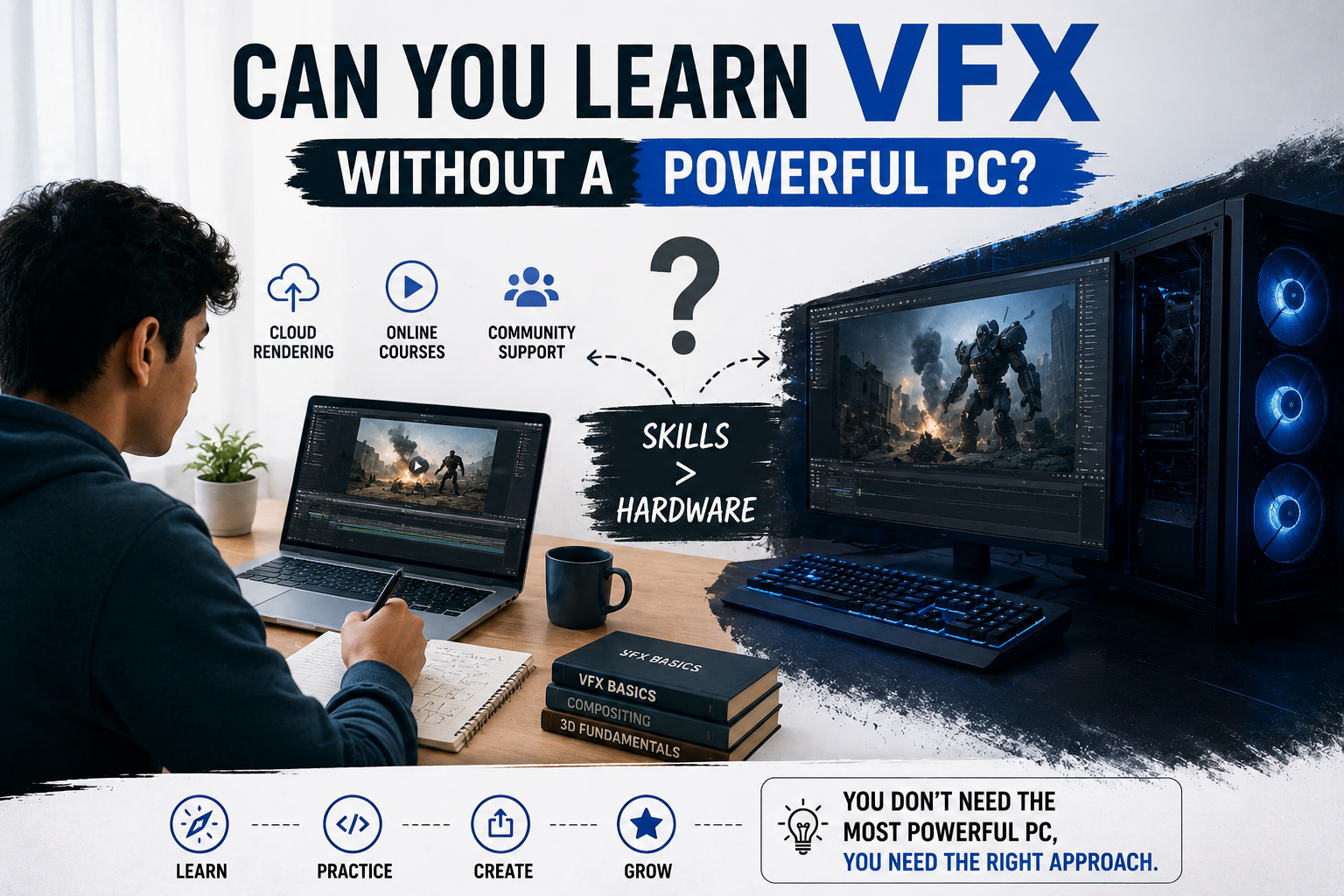
A career in rotoscoping does not require extremely expensive equipment, which is great news for students and parents concerned about hardware costs.
However, it does require specific technical and creative skills.
1. Attention to Detail
Roto artists must notice even the smallest changes in movement or lighting.
Tiny mistakes can cause visible errors in final shots.
2. Patience and Focus
Since the work is frame-by-frame, roto artists must remain patient and consistent while working on long sequences.
3. Basic Understanding of VFX Pipeline
Understanding the overall VFX workflow helps roto artists collaborate better with compositors and VFX supervisors.
4. Software Knowledge
Common tools used in rotoscoping include:
These tools are typically taught in a visual effects full course or specialized vfx course.
Tools Used by Professional Roto Artists
Here are some industry-standard tools used in VFX studios:
| Software | Purpose |
| Silhouette FX | Professional rotoscoping software |
| Nuke | Compositing and VFX integration |
| Mocha Pro | Planar tracking and masking |
| After Effects | Motion graphics and basic rotoscoping |
Learning these tools through a visual effects course helps students build job-ready skills for the VFX industry.
Career Opportunities for Roto Artists
The VFX industry is growing rapidly worldwide, creating strong demand for skilled artists.
Entry-Level Roles
Students who complete a vfx course may start with roles such as:
- Roto Artist
- Paint Artist
- Prep Artist
- Junior Compositor
These roles provide valuable industry experience
Career Growth Path
A typical VFX career path may look like this:
- Roto Artist
- Roto Lead
- Compositor
- Senior Compositor
- VFX Supervisor
Many professionals start with rotoscoping before moving into advanced roles.
Can You Learn VFX After 12th?
Yes, many students start learning VFX right after completing their Class 12 education.
If you’re creative, interested in films, gaming, or digital storytelling, a learn vfx after 12th program can be a great career option.
A structured visual effects full course usually covers:
- Rotoscoping
- Compositing
- Green screen techniques
- Motion tracking
- CGI integration
- VFX pipeline fundamentals
These skills help students prepare for entry-level positions in the VFX industry.
Why Rotoscoping Is a Great Starting Point in VFX
Many successful VFX professionals began their careers as roto artists.
Here’s why it’s a strong entry point:
1. Easy Entry into the Industry
Compared to advanced CGI roles, rotoscoping has a lower learning barrier, making it ideal for beginners.
2. Builds Strong Technical Foundations
artists develop an understanding of:
- motion tracking
- compositing
- frame-based editing
- visual continuity
These skills are valuable for advanced VFX roles.
3. High Demand for Skilled Artists
VFX studios around the world require large roto teams for major film and OTT productions.
India is one of the largest hubs for VFX outsourcing, creating numerous job opportunities for trained professionals.
Related Career Path in Tech and Digital Media
Students interested in digital careers may also explore web development alongside VFX.
For example, understanding the difference between different development roles can help you explore additional creative tech careers.
You can read more here: Top 3D Compositing and Animation Skills Every Young VFX Artist Needs to Learn
How to Choose the Right Visual Effects Course
If you’re planning to enroll in a visual effects course, consider the following factors:
1. Industry-Relevant Curriculum
Look for programs that teach modern VFX tools and real production workflows.
2. Practical Training
Hands-on projects are crucial for building a strong portfolio.
3. Faculty With Industry Experience
Learning from professionals helps students understand real studio workflows.
4. Placement Support
Institutes that connect students with studios or internships can help launch careers faster.
Future of VFX Careers in the Age of AI
Artificial Intelligence is transforming the VFX industry, but it is not replacing artists.
Instead, AI is helping automate repetitive tasks such as:
- object tracking
- background cleanup
- scene segmentation
Artists still play a critical role in creative decisions, storytelling, and visual quality.
Learning VFX today means learning how to combine human creativity with AI-powered tools.
FAQ
1. What does a roto artist do in VFX?
A roto artist traces objects or characters frame-by-frame in video footage to isolate them from the background. This allows VFX teams to add CGI elements, replace backgrounds, or remove unwanted objects.
2. Is rotoscoping a good career in VFX?
Yes. Rotoscoping is one of the most common entry-level roles in the VFX industry. It helps beginners learn the VFX pipeline and transition into advanced roles like compositing.
3. Can I learn VFX after 12th?
Yes. Many institutes offer programs where students can learn VFX after 12th. These courses teach industry tools like Nuke, After Effects, and Silhouette.
4. What software do roto artists use?
Common tools include Silhouette FX, Nuke, Mocha Pro, and Adobe After Effects.
5. How long does it take to learn VFX?
A visual effects full course usually takes 12–24 months depending on the depth of training and specialization.
Conclusion
Roto artists play a vital role in the VFX production pipeline. Their careful frame-by-frame work ensures that visual effects blend seamlessly with live-action footage.
For students passionate about movies, digital creativity, or animation, starting with a visual effects and AI can open the door to exciting opportunities in film, OTT, advertising, and gaming.
If you want to learn VFX after 12th, enrolling in a structured vfx course can help you gain industry-ready skills, build a portfolio, and start your journey in the fast-growing world of visual effects.
The entertainment industry is evolving rapidly, and skilled VFX artists are in high demand. With the right training and dedication, you can be part of the creative teams bringing incredible visual stories to life.

About The Author




Leave a Reply